
Table of Contents:
The Science Behind Canine Cognition and Sensory Perception
Effective dog training starts long before you pick up a leash or reward marker. It starts with understanding how dogs actually experience the world — and that experience is fundamentally different from our own. The growing field of canine science has transformed what we know about dog cognition over the past two decades, shifting the conversation from dominance-based folklore to evidence-backed behavioural biology. If you want to train a dog effectively, you need to think like a researcher first.
How Dogs Process Information Differently Than We Do
Dogs are what ethologists call opportunistic sensory integrators — they constantly combine input from multiple sensory channels to build a picture of their environment. The hierarchy of those senses, however, is nothing like ours. While humans rely predominantly on vision, dogs rank olfaction first, auditory input second, and visual detail a distant third. This has profound implications for how they respond to commands, environments, and social cues during training sessions.
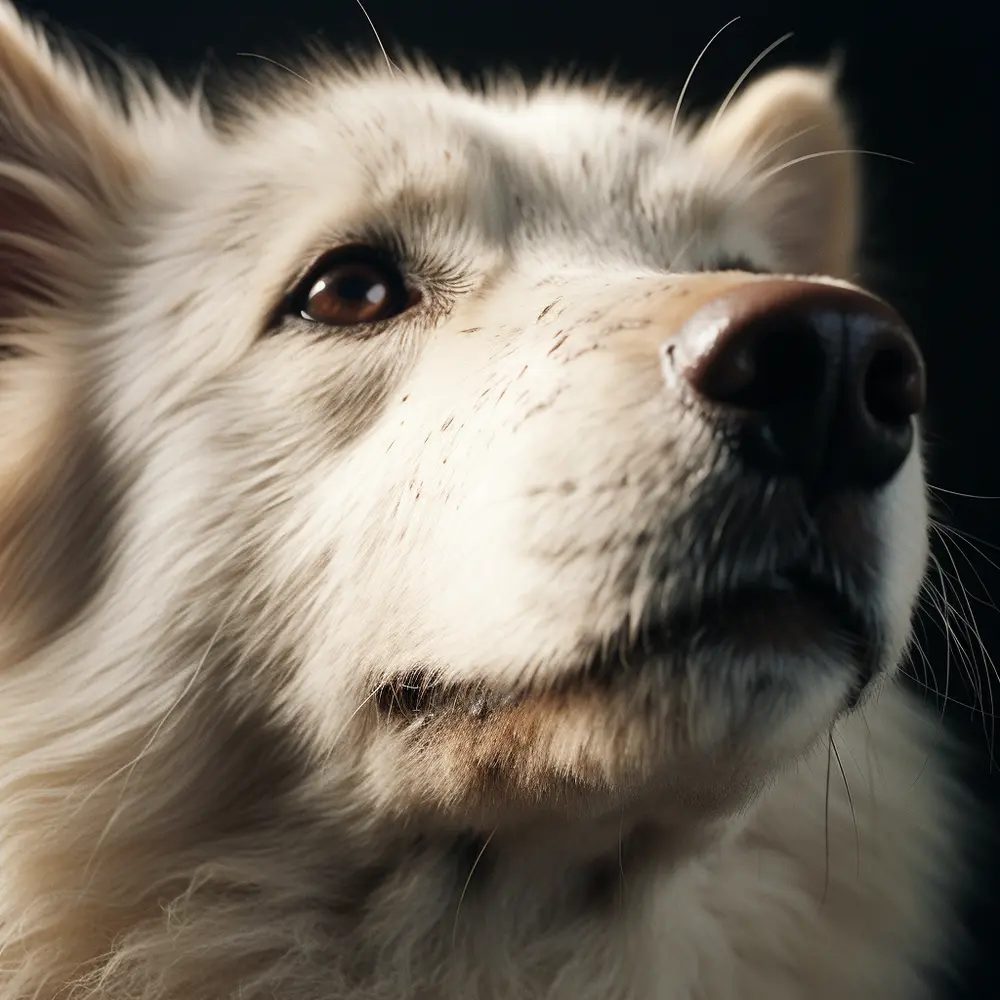
The canine olfactory system contains roughly 300 million scent receptors, compared to approximately 6 million in humans — and the part of the brain dedicated to analysing smell is, proportionally, around 40 times larger than ours. The dog's nose operates on a level most handlers severely underestimate, capable of detecting odours at concentrations as low as one part per trillion. When a dog appears "distracted" during recall training near a hedgerow, they may be processing an olfactory narrative far more compelling than any verbal cue you're delivering.
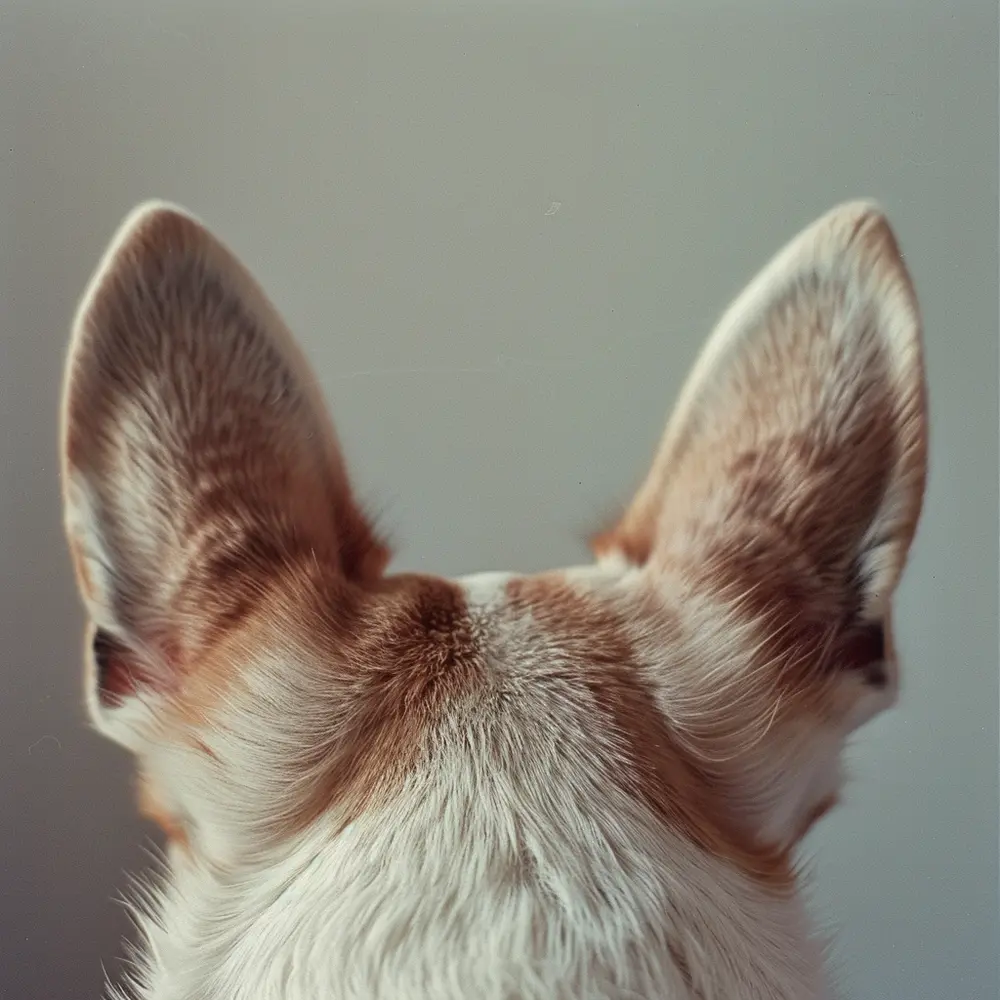
Hearing follows a similar pattern of superior capability. Dogs can detect frequencies between 40 Hz and 65,000 Hz — humans top out at around 20,000 Hz. More relevant for trainers: dogs localise sound with a precision that humans cannot match, using 18 independently moveable ear muscles to pinpoint audio sources in milliseconds. This means the tone, pitch, and even direction of your voice carries information your dog is actively decoding, whether you're aware of it or not.
Visual Cognition: What Dogs Actually See
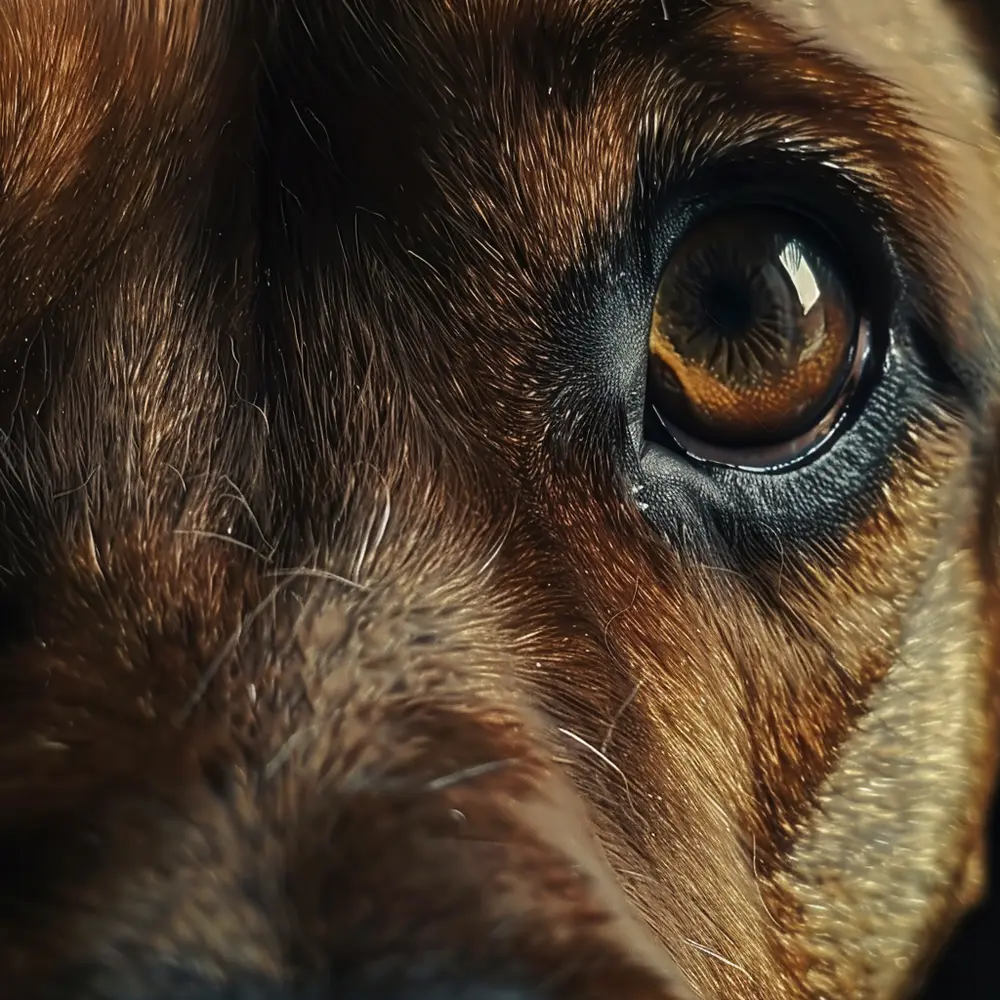
Vision is often overestimated in dogs. They are dichromats, perceiving the world in a spectrum roughly equivalent to a human with red-green colour blindness — blues and yellows are vivid, while reds appear as muted browns. Their visual acuity is estimated at around 20/75, meaning what a human sees clearly at 75 feet, a dog needs to be 20 feet from to resolve. Understanding the limitations and strengths of canine visual perception explains why hand signals must be large, deliberate, and delivered in high contrast — a subtle finger point means almost nothing to a dog at 10 metres.
Where dogs genuinely excel visually is motion detection. Their flicker-fusion rate — the speed at which they perceive moving images as continuous — is approximately 70-80 Hz versus 60 Hz in humans. This is why rapid, jerky movements trigger arousal responses so reliably, and why slow, controlled body language is a cornerstone of calm, effective handling.
- Olfactory primacy: Structure training environments to manage scent, not just visual distractions
- Auditory sensitivity: Use consistent, distinct vocal tones — dogs decode prosody, not just words
- Visual limitations: Train hand signals in good light and from a distance your dog can actually resolve
- Motion sensitivity: Deliberate, slow movement reduces arousal and increases focus during sessions
Working with a dog's sensory biology rather than against it is the single most underutilised principle in everyday training. Handlers who internalise this shift their approach from correcting unwanted behaviour to preventing it through smarter environmental and communicative design.
Dog Development Stages and Their Impact on Training Approaches
Effective training isn't one-size-fits-all — it's timed. A training approach that works brilliantly for a six-month-old puppy can be completely counterproductive for an adolescent dog, and vice versa. Understanding the neurological and behavioural shifts that occur throughout a dog's life allows trainers and owners to work with biology rather than against it. The full picture of how dogs change physically and mentally from birth through adulthood reveals why so many training efforts stall — not because the dog is stubborn, but because the approach doesn't match the developmental window.
Critical Windows: The First 16 Weeks
The primary socialisation period runs roughly from weeks 3 to 16 and is arguably the most consequential stretch of a dog's entire life. During this window, the brain is actively forming associations at a pace that will never again be replicated. Puppies exposed to at least 100 different people, various surfaces, sounds, and environments before week 12 show measurably lower fear responses in adulthood. Training at this stage should focus almost exclusively on positive exposure and foundational cue acquisition — sit, eye contact, name recognition — rather than precision or duration.
One overlooked factor: sleep quality directly influences memory consolidation in young dogs. Puppies learning new behaviours need adequate deep sleep to transfer those lessons into long-term memory. Research into what actually happens in a dog's brain during sleep reinforces why post-training rest is as important as the training session itself. Scheduling two to three short training sessions per day of five minutes each, followed by rest periods, consistently outperforms longer single sessions.
Adolescence: The Most Misunderstood Phase
Between approximately 6 and 18 months, dogs enter adolescence — a period characterised by surging hormones, selective deafness, and seemingly regressing obedience. This isn't defiance; it's neuroscience. The prefrontal cortex, responsible for impulse control, is still developing, while the limbic system driving emotional reactions is running at full capacity. Owners who label their adolescent dogs as "dominant" or "untrainable" at this stage are misreading normal developmental behaviour.
Hormonal fluctuations during adolescence affect both sexes but manifest differently. The behavioural distinctions between male and female dogs become especially pronounced here, with intact males showing heightened distraction and reactivity around females in heat. This biological pressure can derail months of training progress; managing an intact male's stress levels during these periods is a practical training consideration that's frequently underestimated.
Practical adjustments for adolescent training should include:
- Shorter, higher-value sessions — real meat rewards outperform kibble at this stage
- Increased environmental management — long lines rather than off-leash recall work until reliability returns
- Consistency over intensity — daily five-minute sessions beat weekly hour-long sessions
- Reinforcing known behaviours rather than introducing complex new chains
Dogs typically reach social and cognitive maturity between 18 months and 3 years depending on breed size — giant breeds mature latest. Training expectations and methods should shift accordingly, with mature dogs able to handle longer duration tasks, proofing in high-distraction environments, and more nuanced behavioural shaping that would simply overload a younger animal's working memory.
Core Training Techniques: Markers, Signals, and Incremental Learning
Effective dog training hinges on one fundamental principle: your dog must understand precisely which behaviour earned the reward. Without a clear communication system, you're essentially guessing — and so is your dog. The three techniques covered here — marker training, signal-based communication, and incremental shaping — form the technical backbone of every successful training protocol, whether you're working with a 10-week-old Border Collie puppy or rehabilitating a 5-year-old rescue with established problem behaviours.
Marker Training: Bridging the Gap Between Behaviour and Reward
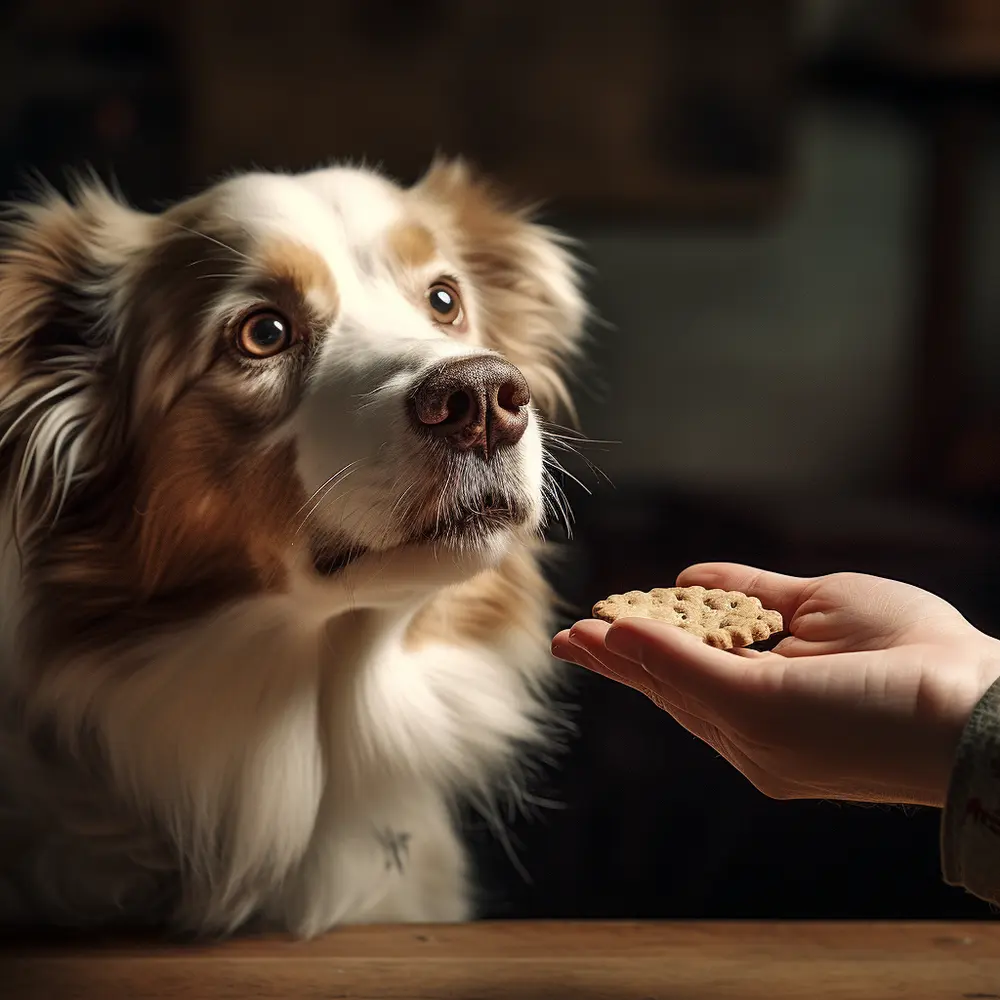
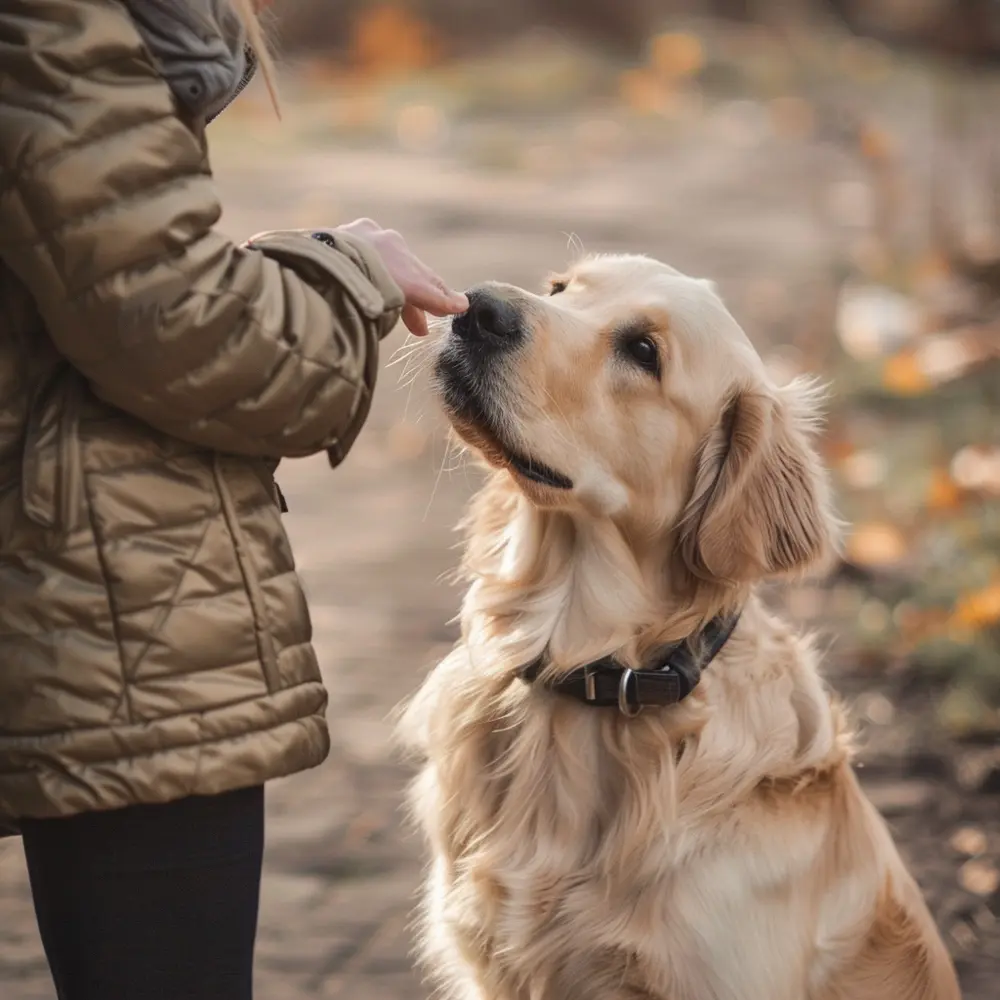
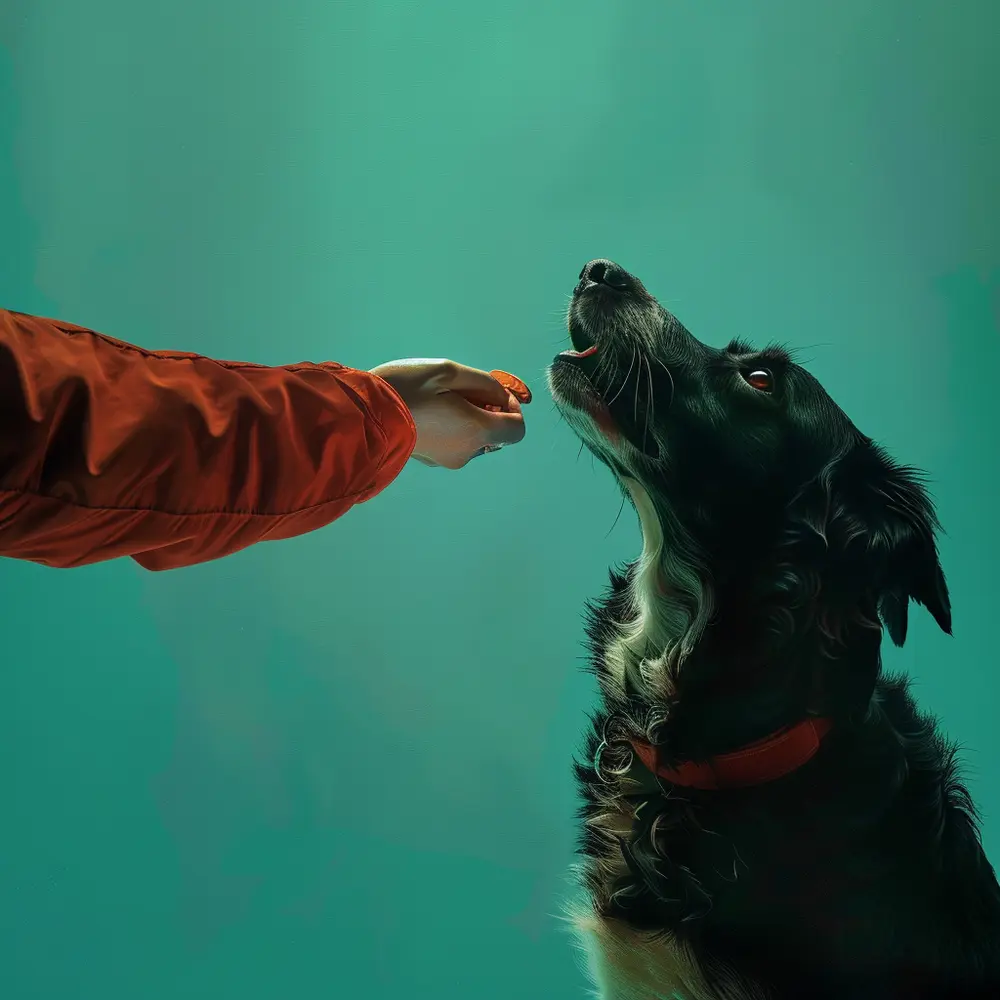
A marker signal is a precise, consistent cue — most commonly a clicker or a short verbal word like "Yes" — that tells your dog the exact moment a correct behaviour occurred and that a reward is coming. The critical window here is milliseconds: dogs make associative connections within approximately 0.5–2 seconds, meaning any delay longer than that risks reinforcing the wrong behaviour entirely. A dog who sits, then sniffs the ground before receiving a treat, may actually be reinforcing the sniffing. Understanding how marker signals function as a precision communication tool changes the way you structure every session.
Markers also serve a practical function during distance or off-leash work. When your dog executes a perfect recall at 30 metres, you can't deliver a food reward instantly — but a marker bridges that gap reliably. Clicker-trained dogs consistently show faster acquisition rates in controlled studies, often learning new behaviours in 20–30% fewer repetitions than dogs trained with reward delivery alone. Once a behaviour is solidly on cue, many trainers transition from continuous to variable ratio reinforcement, which dramatically increases behavioural persistence.
Hand Signals and Multi-Channel Communication
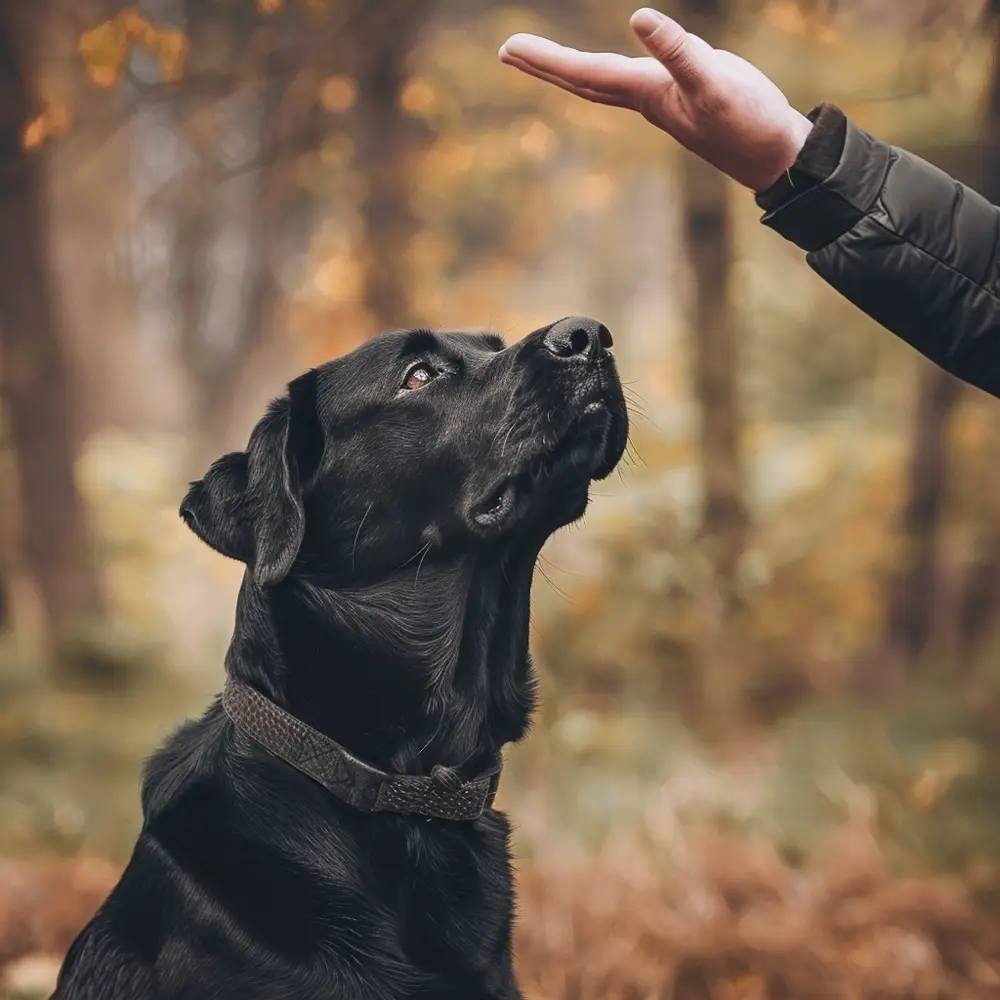
Dogs are fundamentally visual communicators. Research confirms that they process body language and gestural cues faster and more reliably than verbal commands — particularly in high-distraction environments where auditory processing becomes cognitively demanding. Introducing hand signals as part of a structured communication approach gives you a second, often more powerful channel to direct behaviour. A raised open palm for "stay" or a downward sweep for "down" can cut through noise, distance, and arousal states that would cause a spoken cue to fail entirely.
Best practice is to introduce verbal and visual cues simultaneously from the start, rather than retrofitting one onto the other. Pairing them consistently for 50–100 repetitions typically results in the dog responding to both independently. This redundancy becomes particularly valuable for dogs with age-related hearing loss, working dogs in loud environments, or any scenario requiring silent handling.
Incremental Learning: Building Behaviours from the Ground Up
Jumping to the finished behaviour is the single most common training mistake. Shaping — the process of reinforcing successive approximations toward a goal — requires breaking every behaviour into the smallest achievable steps. For a reliable "place" command, that means reinforcing stepping onto a mat, then standing on it, then remaining as duration is added in 5-second increments. Understanding why rewarding early, small wins accelerates long-term learning is what separates trainers who plateau from those who make consistent progress.
Tracking your sessions matters more than most owners realise. Documenting criteria, success rates, and environmental variables allows you to identify exactly where a training plan is breaking down. A dog showing 90% reliability in the living room but 20% in the park isn't disobedient — the distraction threshold simply hasn't been trained systematically. Maintaining a structured training diary transforms vague impressions into actionable data, giving you the feedback loop necessary for deliberate, measurable improvement.
Behaviour Modification Strategies for Challenging and Reactive Dogs
Reactivity and challenging behaviours rarely appear out of nowhere. Behind every dog that lunges at passing cyclists or shuts down around strangers is a history of unmet needs, inadequate early socialisation, or learned associations that have solidified over months and years. Effective behaviour modification requires understanding why a behaviour exists before attempting to change it — skipping this diagnostic step is the single most common reason intervention programmes fail.
The threshold concept is central to everything that follows. A reactive dog operating above threshold is neurologically incapable of learning — the amygdala has hijacked cortical function, and no amount of treat delivery will produce lasting change in that state. Your first practical task is always to identify the dog's trigger stack: the combination of environmental stressors (distance, movement, noise, handler tension) that push the dog over the edge. A dog might tolerate a single jogger at 20 metres but react explosively to the same jogger when it's also raining and the owner is running late for work.
Desensitisation and Counter-Conditioning: The Evidence Base
No other approach in applied animal behaviour has the same depth of empirical support as systematic desensitisation combined with counter-conditioning (DSCC). The principle is straightforward: expose the dog to a sub-threshold version of the trigger while simultaneously pairing it with something of high positive value — typically food, but occasionally play or social contact. Repetition across hundreds of trials gradually shifts the dog's emotional response from threat to anticipation. Mastering this process in practice demands patience with the rate of criteria progression; moving too fast is the most frequent technical error, often setting a programme back by weeks.
Practical implementation requires a structured approach:
- Establish a clear baseline: Document the exact distance at which the dog first orients towards the trigger without reacting — this is your starting distance.
- Use a high-value, novel reinforcer: Real meat (chicken, beef, liver) consistently outperforms kibble in high-arousal contexts; reserve it exclusively for training sessions.
- Progress in small increments: Reduce distance by no more than 10–15% per session, and only when the dog shows a consistently relaxed conditioned emotional response (CER) at the current level.
- Account for generalisation: A dog that responds calmly to stationary strangers at 15 metres needs separate work with moving strangers, strangers carrying objects, and strangers in different environments.
Building Confidence Alongside Reactivity Work
Reactivity is frequently rooted in anxiety rather than aggression, and targeting anxiety directly through structured confidence-building work accelerates results significantly. Activities like structured problem-solving games, controlled exposure to novel surfaces and objects, and free-shaping sessions develop the dog's capacity to cope with uncertainty — a transferable skill that generalises across trigger types. Research on canine cognitive function suggests that dogs with higher baseline confidence show measurably shorter recovery times after trigger exposure.
When a behaviour does occur, the response protocol matters enormously. Punishment in reactive dogs typically increases arousal and damages the handler–dog relationship without addressing the underlying emotional state. Addressing unwanted behaviour through positive means — redirecting, removing from the situation, and reviewing the training plan — produces durable change without the fallout. Tracking progress objectively, using metrics like reaction distance, recovery time, and frequency of incidents per session, allows you to make data-driven adjustments rather than relying on subjective impression.
Reading and Interpreting Canine Communication and Body Language
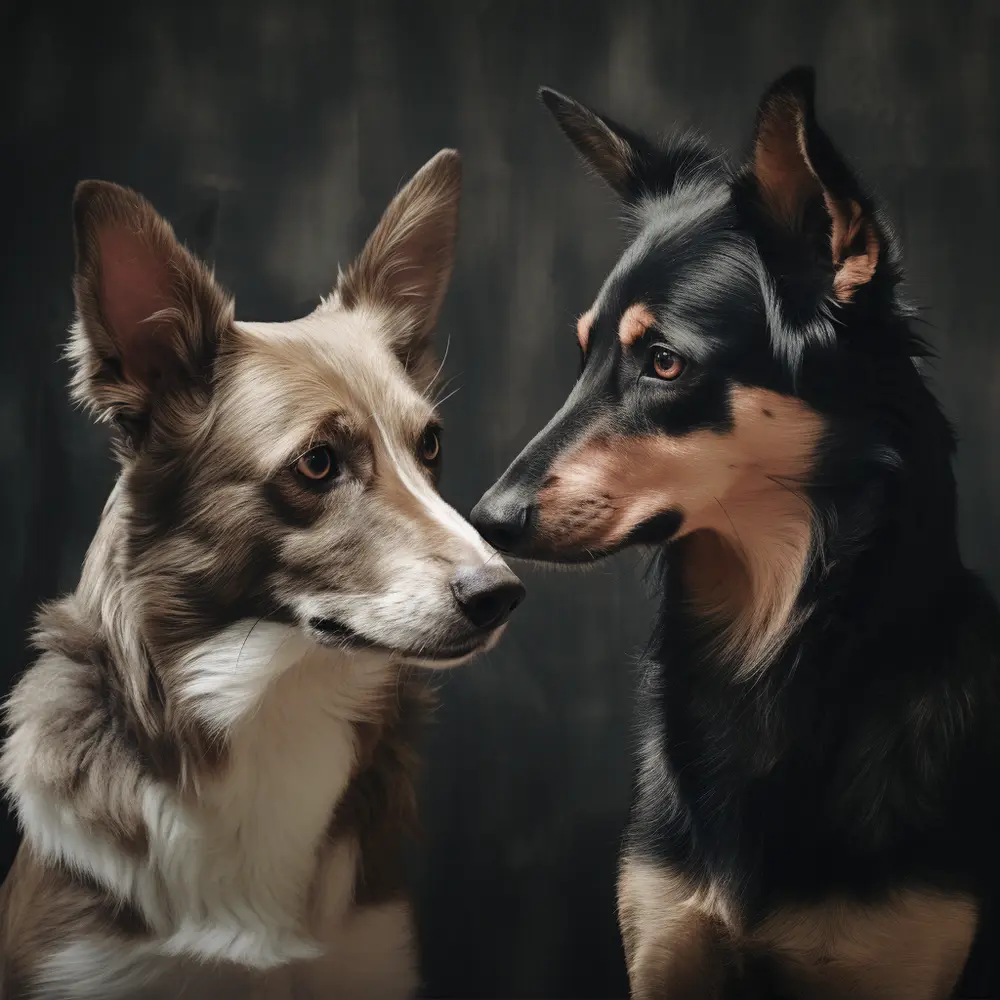
Dogs communicate continuously, and the gap between what they express and what humans perceive is one of the most common sources of behavioural problems. Research by ethologist Turid Rugaas identified over 30 distinct calming signals — subtle behaviours dogs use to de-escalate tension and signal non-threat. Most dog owners miss the majority of them. Building fluency in canine body language is not a nice-to-have skill; it is the foundation of every effective training and management strategy.
The Body Language Spectrum: From Relaxed to Reactive
Canine communication exists on a continuum. A relaxed dog displays a loose, wiggly posture, soft eyes with no visible whites, ears in a neutral position relative to the breed standard, and a tail carried at mid-height with a broad, fluid wag. As stress, arousal or conflict increases, these signals shift systematically. The body stiffens, weight shifts forward or backward, the tail either freezes or tucks, and facial muscles tighten — a phenomenon called facial action coding, now measurable through peer-reviewed ethological studies. Understanding this spectrum allows handlers to intervene before a dog crosses the threshold into full reactivity.
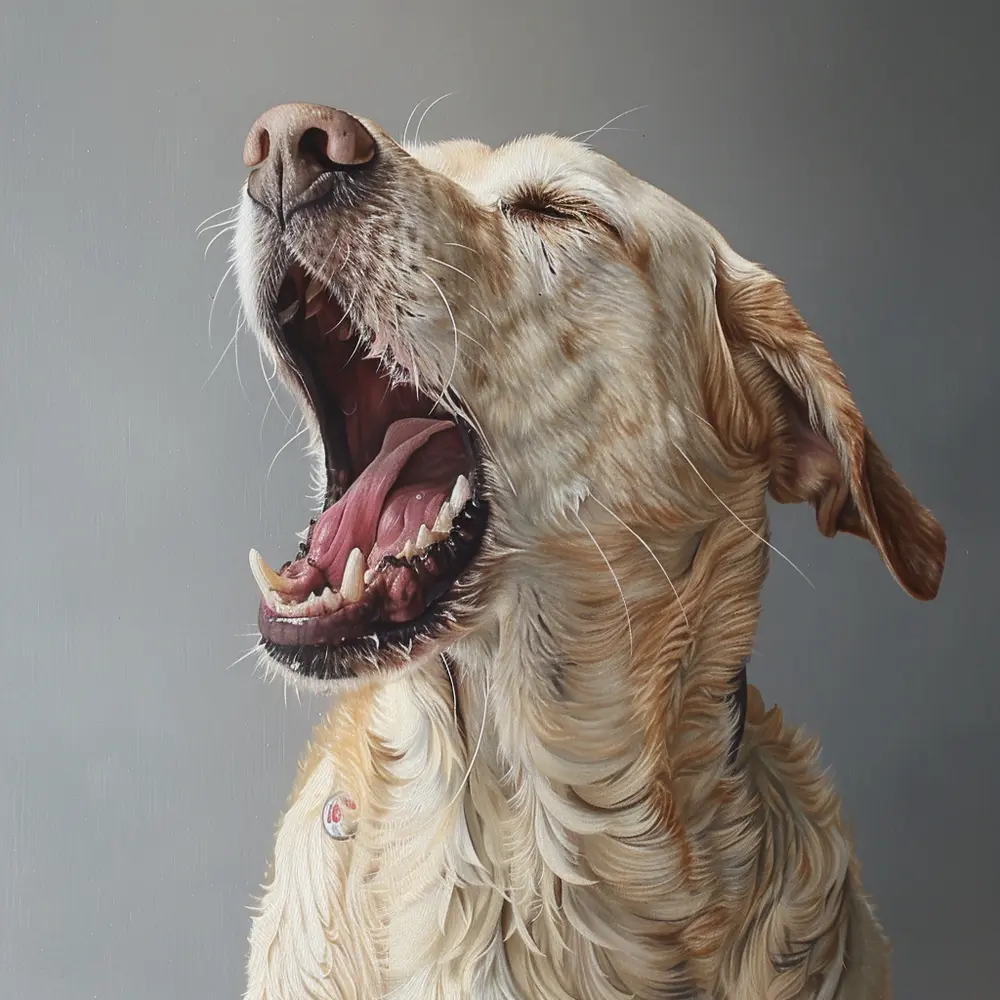
One of the most misread signals is yawning. Outside of tiredness, yawning in dogs is a displacement behaviour and appeasement signal. A dog that yawns during a training session is often communicating that the pace is too fast or the pressure too high — not that they are bored. Understanding the full range of what yawning signals in your dog can help you adjust your approach before frustration escalates into avoidance or shutdown.
Vocalisation as Communication
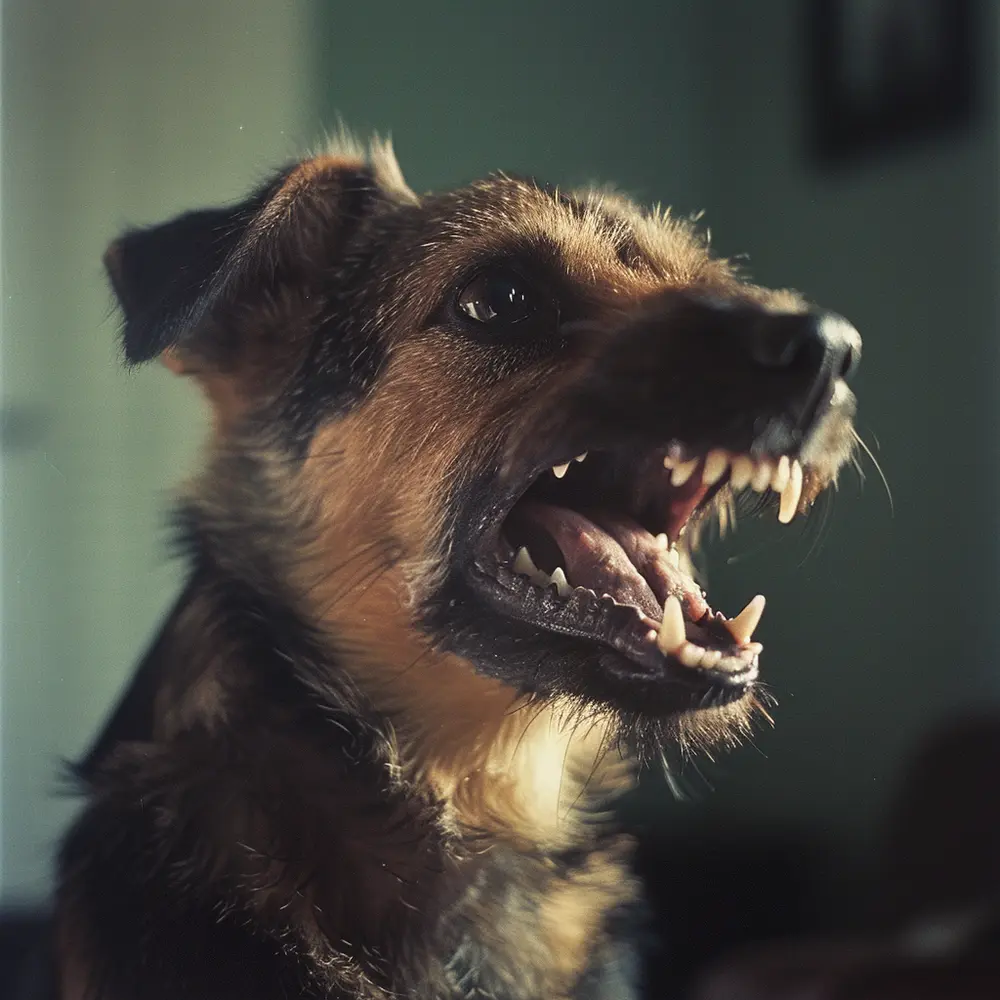
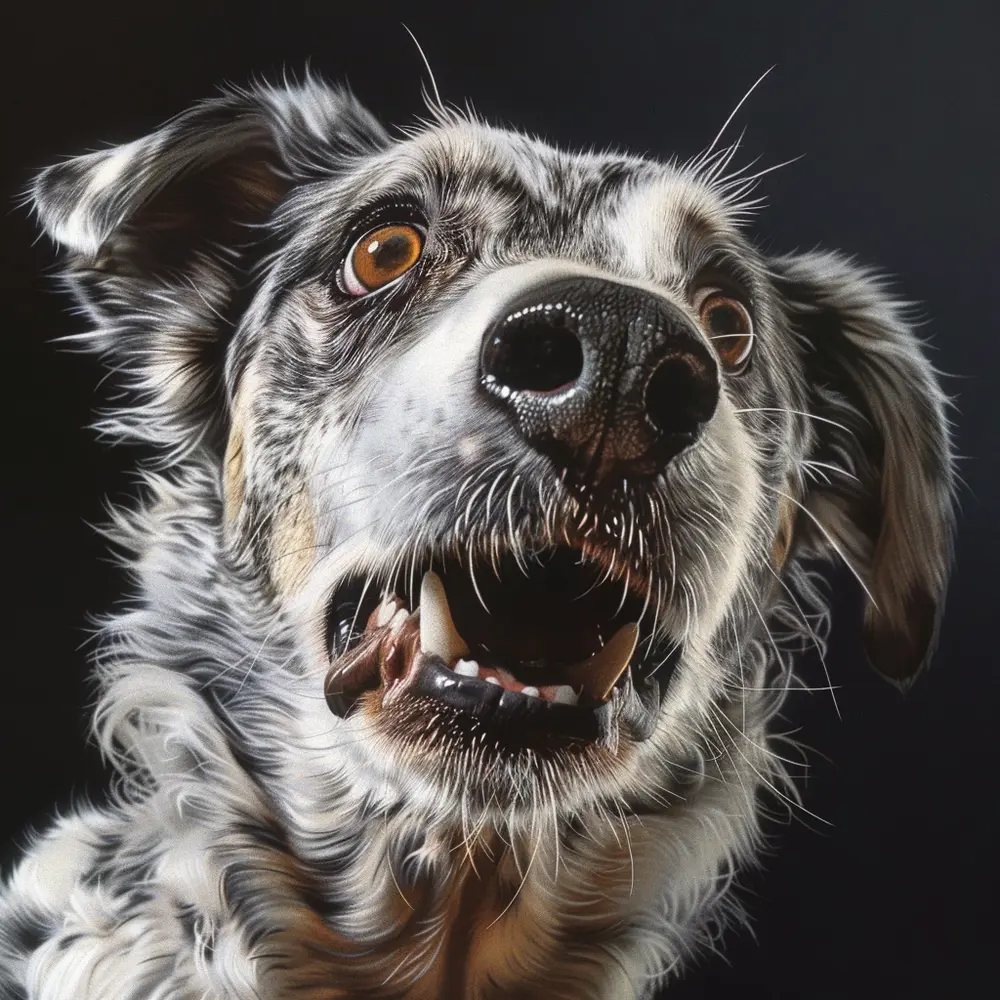
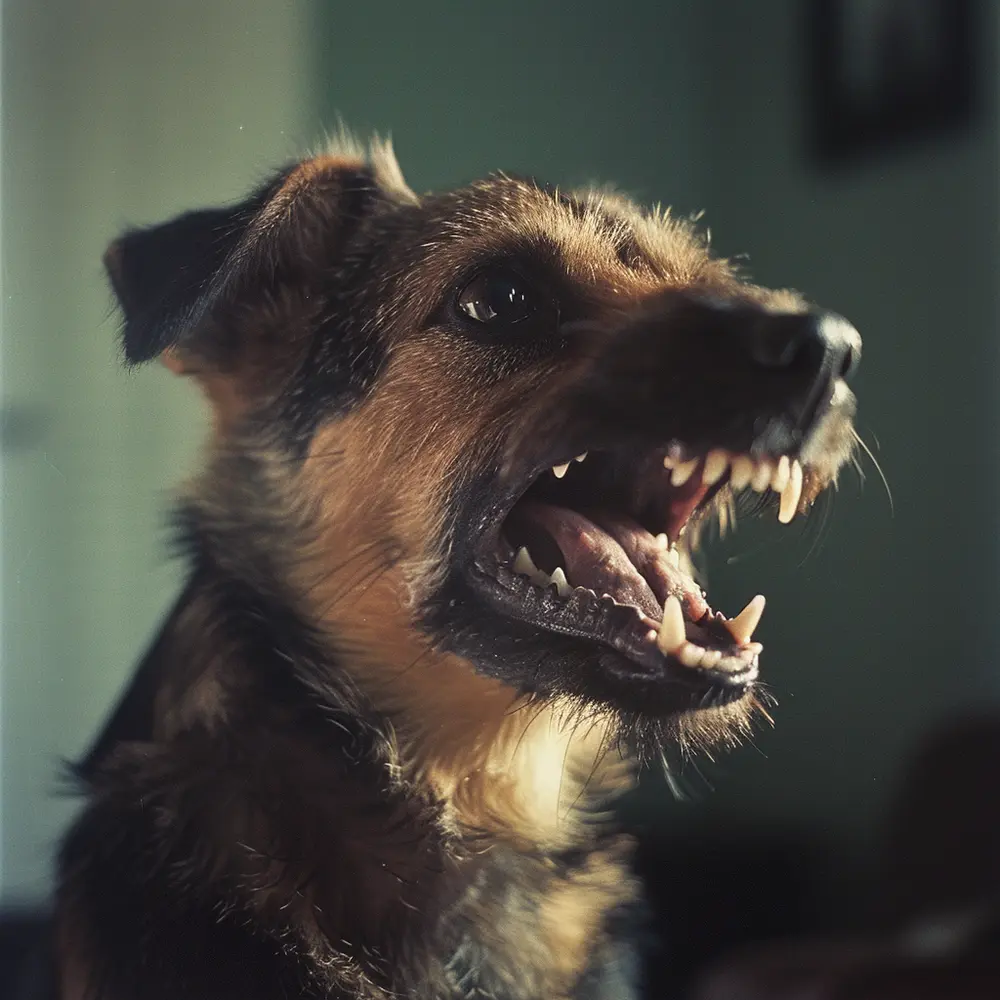
Vocalisation is frequently the signal that gets the most human attention, yet it is often the last in a sequence that began much earlier. Growling is a prime example of a commonly misunderstood signal. It is a dog's clearest verbal warning, and suppressing it through punishment removes a critical safety mechanism — dogs who are punished for growling learn to skip the warning and bite without notice. Knowing what context and pitch of a growl actually communicates allows you to respond appropriately rather than escalating the situation.
Other vocal signals worth distinguishing include alert barking (short, sharp, repetitive), demand barking (often rhythmic, with eye contact directed at the human), and stress whining (typically continuous, paired with pacing or inability to settle). Each requires a different response strategy.
Applying Body Language Literacy in Practice
- Record short video clips during training sessions and review them at 0.5x speed — you will catch signals invisible in real time
- Learn breed-specific baselines: a Siberian Husky's neutral tail position differs markedly from a Greyhound's
- Watch for clusters of signals, not single cues — one pinned ear means little; pinned ears plus whale eye plus a stiff tail is meaningful
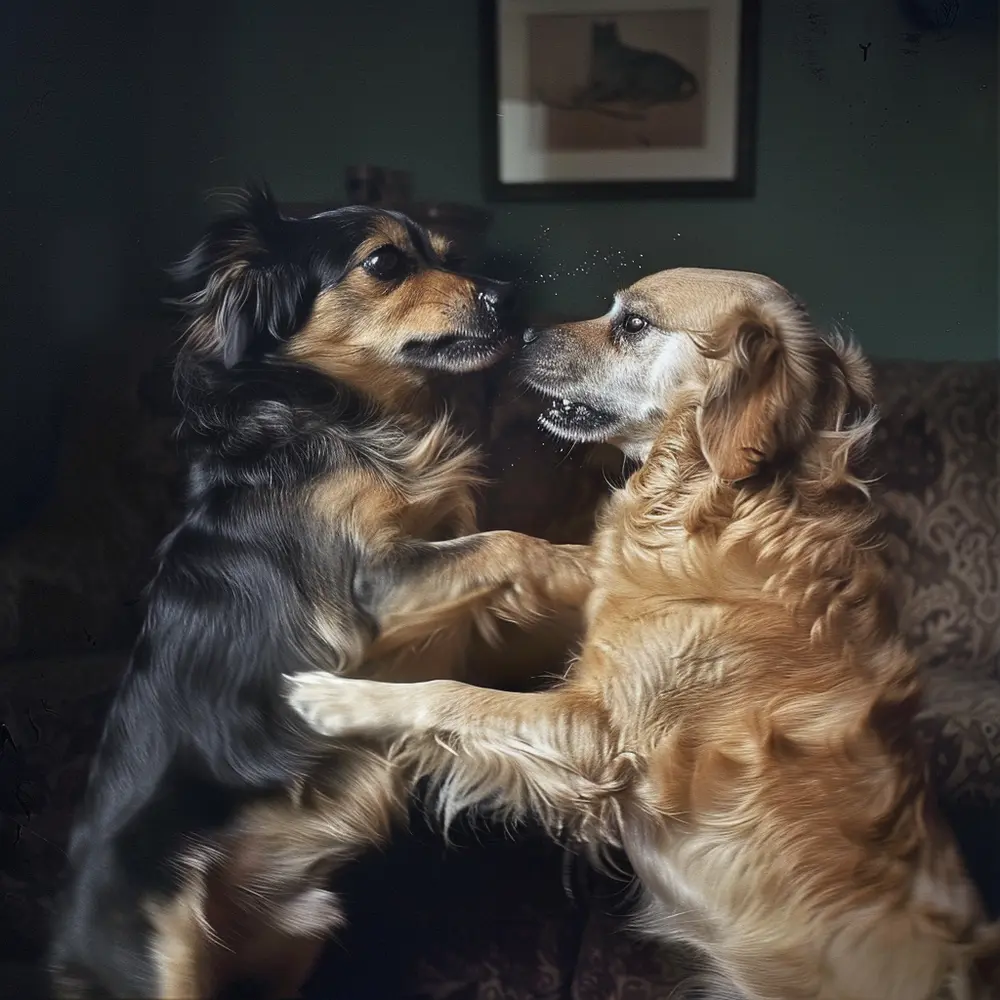
- In multi-dog households, monitor interaction sequences closely; knowing when play is tipping into conflict is essential for safely managing canine disagreements before they escalate
When you spot early stress signals during training, the most effective response is rarely correction — it is redirection. Using positive interruptions to break a behaviour chain before it completes preserves the dog's trust and keeps the learning environment productive. Body language literacy, ultimately, transforms you from a reactive handler into a proactive one.
Dog Welfare, Autonomy, and the Psychology of Stress Reduction
Training decisions don't happen in a vacuum — they sit within a broader context of an animal's daily psychological experience. A dog that lives in a state of chronic low-grade stress will learn more slowly, generalise less effectively, and show higher rates of behavioural breakdown under pressure. Understanding what drives that stress, and how to systematically reduce it, is therefore not a soft add-on to good training. It is the foundation.
The Science of Control and Predictability
Decades of animal learning research point to two variables that consistently determine whether a dog experiences its environment as safe or threatening: controllability and predictability. When a dog can reliably predict what will happen next and has some capacity to influence outcomes, cortisol levels drop, exploratory behaviour increases, and the brain shifts from defensive to learning mode. The inverse is equally powerful — unpredictable, uncontrollable environments produce a state neurologists call learned helplessness, where the animal stops attempting to respond at all. Understanding how controllability and predictability shape your dog's stress responses gives trainers a concrete framework for auditing the environments they build — both during sessions and across the dog's entire day.
Practically, this means that a consistent daily routine contributes directly to behavioural stability. Dogs who know when feeding, walks, and rest occur show measurably lower baseline arousal than those living on irregular schedules. Even small, predictable rituals — a specific cue before leaving the house, a consistent pre-walk sequence — reduce ambient anxiety and free up cognitive resources for learning.
Autonomy as a Welfare Tool
One of the most underused levers in applied dog training is the deliberate provision of choice. Choice is not about removing structure — it is about building in moments where the dog's preference genuinely influences what happens next. This distinction matters enormously to the animal's nervous system. Research on agency in captive and companion animals consistently shows that access to choice reduces stress indicators even when the outcomes available are identical. Giving your dog meaningful choices throughout their daily routine — which direction to sniff on a walk, whether to approach a stranger, where to rest — acts as a cumulative welfare deposit that pays dividends in training compliance and emotional resilience.
This connects directly to the five domains model of dog welfare, which frames mental state not just as the absence of suffering but as the active presence of positive experience. Trainers working at a high level need to assess all five domains — nutrition, environment, health, behaviour, and mental state — because deficits in any one domain suppress performance across all others. A dog with chronic pain, poor sleep quality, or insufficient social contact will not reach their learning potential regardless of how skilled the handler is.
Separation-related distress deserves specific attention here, as it is among the most welfare-significant stress sources dogs face. Systematic desensitisation to alone time follows the same controllability principles — building duration incrementally, keeping the dog below threshold, and ensuring departures become predictable rather than anxiety-triggering. Starting with absences of under 30 seconds and only extending duration once the dog shows a fully relaxed resting posture is not excessive caution; it is the neurologically correct progression.
- Audit arousal levels before and after training sessions — elevated baseline arousal suppresses new learning
- Schedule sniff breaks on walks rather than treating them as delays; olfactory exploration actively lowers cortisol
- Use consent testing in handling and grooming — pause, withdraw contact, observe whether the dog re-engages
- Build predictable departure cues for dogs prone to separation anxiety rather than avoiding them
FAQ on Dog Behaviour and Training
What is the best way to train a dog?
The best way to train a dog is through positive reinforcement, using rewards such as treats or praise when the dog performs a desired behaviour. Consistency and patience are key to successful training.
How can I correct unwanted behaviours in dogs?
To correct unwanted behaviours, it is important to redirect the dog’s focus to a more appropriate action, and to reinforce positive behaviours instead. Understanding the underlying reasons for the behaviour can also help address the issue effectively.
What role does socialisation play in dog training?
Socialisation is crucial for dogs, especially during their early developmental stages. Exposing them to various people, environments, and other animals can help reduce fear and anxiety, making them more adaptable and well-behaved.
How long should training sessions be?
Training sessions should typically last between 5 to 10 minutes for puppies, while adult dogs can handle longer sessions of up to 15 minutes. Frequent, shorter sessions are generally more effective than longer, infrequent ones.
How can I determine if my dog is stressed during training?
Signs of stress in dogs during training can include panting, yawning, avoiding eye contact, or displaying other calming signals. Monitoring these behaviours is essential to adjust the training approach and create a comfortable learning environment.